

Žygimantas Vaičiūnas: Long-term US LNG supply through the FSRU Independence is becoming a reality
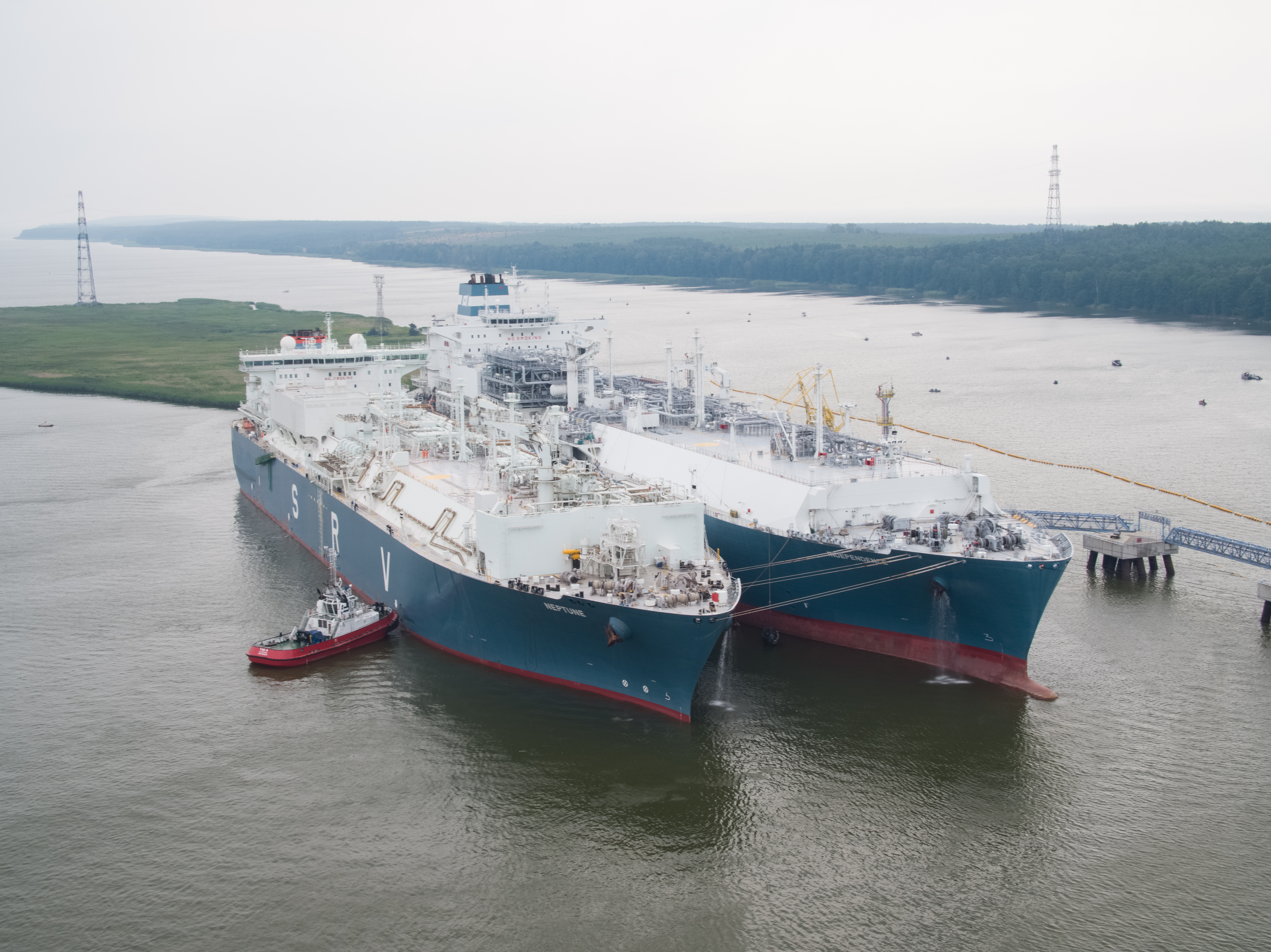
Klaipėdos SGDT. Hoegh LNG nuotrauka
On 7 July, acting Minister of Energy Žygimantas Vaičiūnas held a remote meeting with U.S. Secretary of Energy Chris Wright to discuss the prospects for the long-term supply of US liquefied natural gas (LNG) to Lithuania and the wider region.
‘With one of the most efficient LNG terminals in the EU and the world, Lithuania is constantly looking for opportunities to secure gas supplies at competitive prices. The crisis in the Strait of Hormuz has once again demonstrated the world’s vulnerability to gas price instability, and visits to the United States this spring confirmed the rapidly growing potential of US LNG exports and the competitiveness of the US gas pricing formula. We have worked purposefully and consistently to ensure the supply of gas to Lithuanian gas consumers at the most competitive prices possible. The long-term purchase of LNG from the United States initiated yesterday will be the first time that a long-term gas supply contract based on the Henry Hub benchmark is expected to be concluded for Lithuanian consumers. If this long-term gas supply contract is concluded in the near future, it will mean more stable and more competitive gas prices as early as 2027,’ said the acting Minister of Energy.
On 7 July, UAB Ignitis announced a call for LNG suppliers to submit proposals for the long-term supply of LNG, with the planned supply period spanning up to 10 years. In an effort to diversify its natural gas supply portfolio, the company plans to procure part of its LNG under contracts indexed to the US Henry Hub benchmark. Historically, the Henry Hub has been characterised by greater price stability and lower price volatility, which could help reduce price fluctuations across part of the company’s supply portfolio.
Meanwhile, the Title Transfer Facility (TTF) index, which is the most widely used benchmark in the European market, has been highly sensitive to geopolitical events in recent years. During the energy crisis, its rates increased almost tenfold compared with pre-crisis levels. More recently, market reactions have been driven not only by actual geopolitical developments – price changes are increasingly being triggered even by reports or expectations emerging in the public domain.
During the discussion with the U.S. Secretary of Energy, Žygimantas Vaičiūnas presented opportunities for the long-term supply of US LNG to Lithuania and the region across three different supply phases: first, to cover domestic demand from 2027 to 2037 (UAB Ignitis announced a call for LNG suppliers to submit proposals for this supply on 7 July, with a supply agreement expected to be concluded in the near future); second, to cover the commitment made by Ukraine’s Naftogaz in June to import LNG during the 2033–2044 period through the FSRU Independence, which is part of the Klaipėda LNG terminal operated by Lithuania’s KN Energies; and third, by using the existing available LNG terminal capacity during the 2027–2032 period to supply gas both to Ukraine and to other market participants in the region, with the booking procedure for 2027 currently nearing completion.
‘The overall potential for LNG supplies to Lithuania, including LNG volumes delivered by all market participants under contracts of varying durations, could reach up to 100 LNG shipments during this period. This could provide a strong foundation both for ensuring competitive gas supplies for consumers in Lithuania and the region and for strengthening practical bilateral cooperation between Lithuania and the United States,’ emphasised Mr Vaičiūnas.
During the meeting, the implementation of the EU Methane Regulation in the European Union was also discussed, with US representatives highlighting the risks that the application of the Regulation’s provisions could negatively affect both security of gas supply in the EU as well as the EU’s ability to diversify gas supplies by securing the necessary import flows from the United States. Meanwhile, Mr Vaičiūnas presented the flexibility mechanisms being developed by the European Commission, which are expected to be presented in the near future and which could help address potential risks and ensure the widest possible LNG supply to the EU, thereby contributing to the most competitive gas prices possible. At the end of June, Lithuania joined a group of EU Member States advocating for more flexible enforcement of the EU Methane Regulation in order to avoid negative impacts on both gas supplies and gas prices.
The acting Minister of Energy also congratulated the U.S. Secretary of Energy on achieving the criticality milestone for the development of four advanced microreactor projects on 4 July and expressed Lithuania’s interest in continuing active cooperation with the United States in this area.
‘The goal set by the United States 14 months ago of achieving criticality for at least three advanced microreactor projects seemed like a mission impossible. However, this goal has now not only been achieved but surpassed, and the fact that it coincided with the 250th anniversary of US independence symbolises the successful efforts of the United States to ensure long-term energy independence through advanced nuclear energy technologies,’ said Mr Vaičiūnas.
During the discussion, Mr Wright thanked Mr Vaičiūnas for his consistent and focused efforts to strengthen EU–US energy cooperation, as well as for his active personal engagement and strategically practical initiatives in deepening energy cooperation between Lithuania and the United States and turning it into tangible results.