

New step forward for the Baltic-German PowerLink project: application for Project of Common Interest status
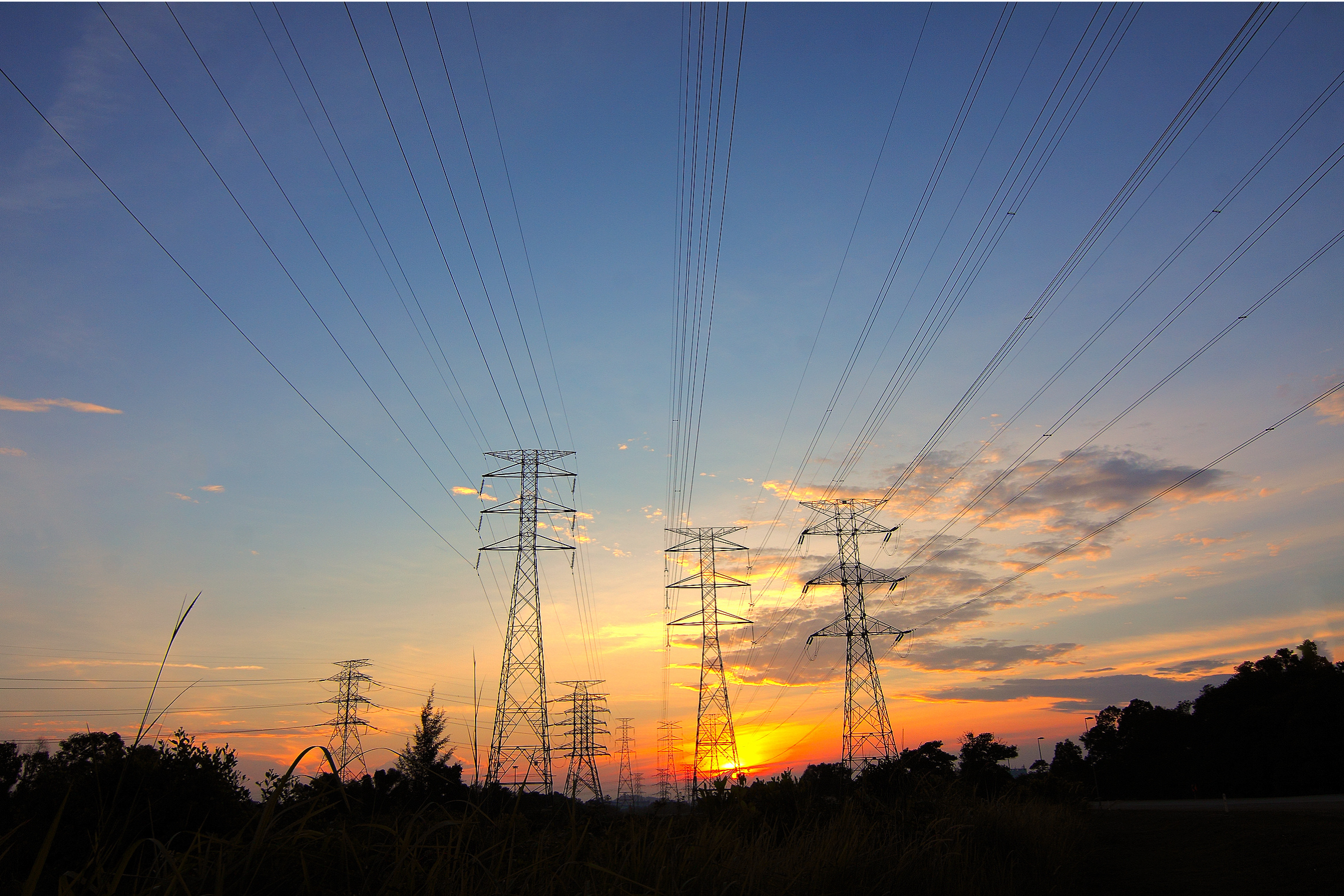
Elektros jungtis (asociatyvi nuotrauka)
At a meeting on 7 July, the energy ministries and transmission system operators of Lithuania, Latvia and Germany agreed to seek EU Project of Common Interest (PCI) status for the Baltic-German PowerLink. PCI status is granted to key cross-border infrastructure projects that contribute to achieving the EU’s energy objectives.
‘The decision to submit the Baltic–German PowerLink project for European Project of Common Interest status is an important milestone in its implementation. It confirms the strong political commitment of Lithuania, Latvia and Germany to delivering this strategically important project, strengthens our regional cooperation and opens up opportunities to seek European Union funding for its implementation in the future. Without EU funding, the prospects for delivering such a project would be very limited, so it is encouraging that we are already laying a strong foundation for its implementation. This is another significant step towards making our electricity system safer, more integrated and more competitive,’ said acting Minister of Energy Žygimantas Vaičiūnas.
‘Securing Project of Common Interest status is an important step in the project concept development stage, paving the way for both broader support for the project and opportunities for faster and more efficient implementation. Currently, the trilateral project team is also looking to assess the project’s benefits as part of the ENTSO-E 10-Year Network Development Plan process, and is analysing technical implementation options as well as alternative financing and governance models,’ said Litgrid CEO Andrius Šemeškevičius.
Projects of Common Interest benefit from simplified permitting and regulatory procedures and may receive EU financial assistance from the Connecting Europe Facility.
The planned Baltic-German PowerLink hybrid interconnection that is being developed by the electricity transmission system operators of Lithuania, Latvia and north-eastern Germany – Litgrid, Augstsprieguma tīkls and 50Hertz – would connect the Baltic States and Germany via a submarine power cable, and would also enable the further rapid expansion of renewable electricity generation capacity. The declaration of intent signed earlier this year notes that the development of such hybrid power interconnections in the Baltic Sea region could deliver multilateral benefits and generate positive socioeconomic effects for all participating countries. It would also help reduce dependence on fossil fuels and ensure competitive electricity prices.
Last spring, Litgrid, Augstsprieguma tīkls and 50Hertz submitted a joint application to include the hybrid submarine power interconnector project with Germany – then referred to as ‘Baltic Hub’ – in the European Network of Transmission System Operators for Electricity (ENTSO-E) 2026 10-Year Network Development Plan (TYNDP). During preparation of the plan, a comprehensive EU-level project assessment is carried out, including an analysis of its impact on the market and security of supply, while laying the groundwork for potential future EU funding.
The Baltic-German PowerLink project concept envisages a 2 GW, approximately 600 km hybrid submarine power interconnection. The connection point in the Baltic States is planned to be located on the border of Lithuania or Latvia, with the exact location to be determined following technical studies. The project could be completed by 2037.
The Baltic-German PowerLink project would enable electricity trading between the Baltic States and Germany, facilitate the integration of up to 2 GW of offshore wind capacity in Lithuania and Latvia, and support the further expansion of onshore renewable energy capacity. The project would also enhance electricity supply reliability in all three countries.