

Ministry of Energy: Improving conditions for the development of data centres in Lithuania
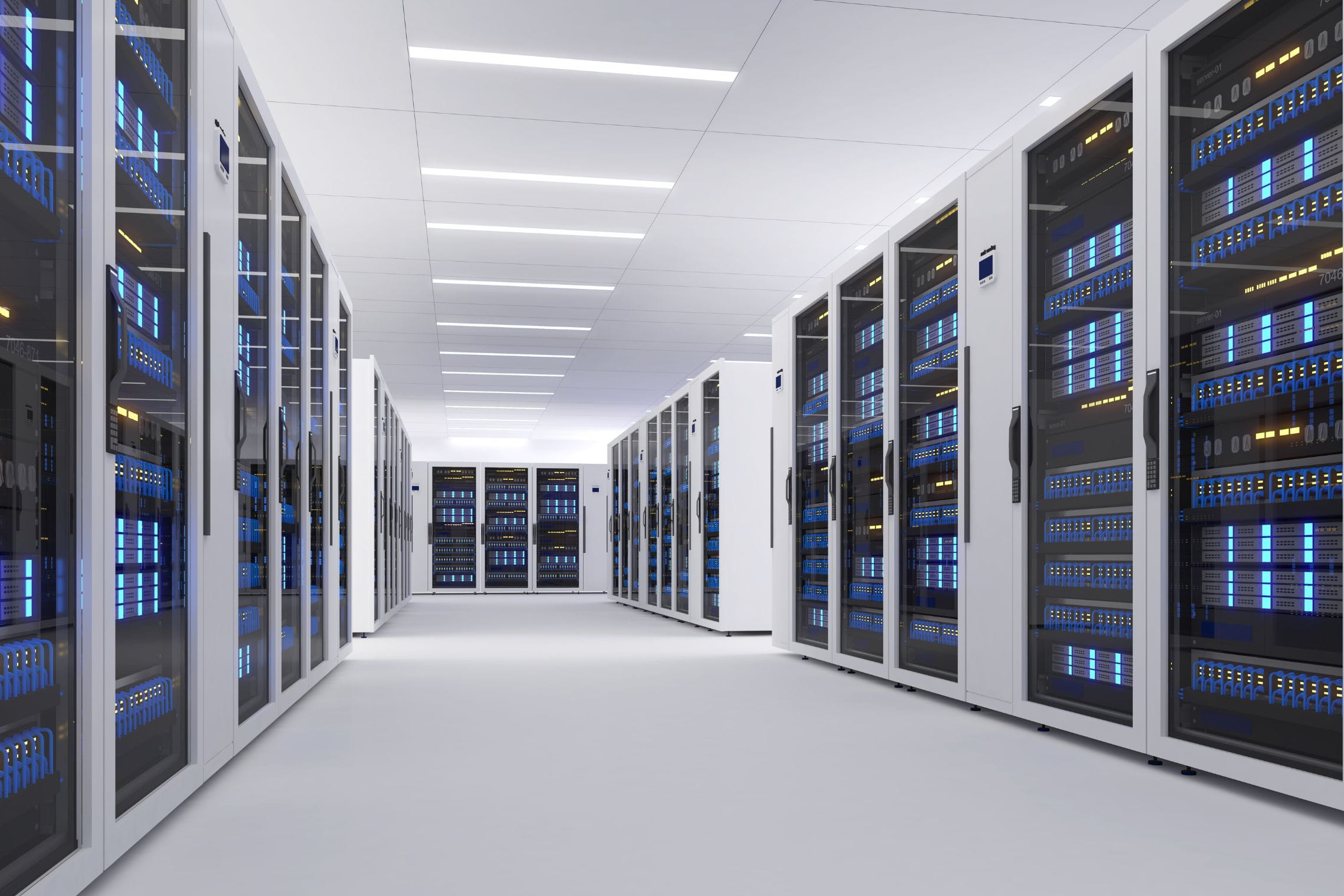
Asociatyvi nuotrauka. Duomenų centras
At the initiative of the Ministry of Energy, an interinstitutional coordination group was established earlier this year to prepare for the development of large-scale data centres in Lithuania. The group includes representatives of the Ministry of the Economy and Innovation, Invest Lithuania, Ignitis Group and the EPSO-G group of companies.
This working group concluded that data centres have the potential to become an important part of Lithuania’s economic and energy ecosystem. Using the country’s existing energy and communications infrastructure to attract more of them would contribute to meeting the needs of artificial intelligence services, while also creating opportunities to capitalise on Lithuania’s leadership in the field of renewable energy. With a targeted approach, Lithuania could attract substantial investment that would enhance the competitiveness of the national economy and support the further development of renewable energy.
‘The Ministry of Energy is consistently strengthening preparedness for large-scale digital infrastructure investment and the development of data centres. Together with state enterprises, we are working to ensure clear conditions for investors, reliable energy infrastructure and the rapid implementation of data centre projects. We can see that Lithuania has real potential to become a leading regional hub for digital infrastructure, offering green electricity and suitable locations for data centres with electricity and communications infrastructure already in place, which are our key competitive advantages,’ said acting Minister of Energy Žygimantas Vaičiūnas.
Lithuania is becoming an attractive place for investments thanks to the rapid expansion of renewable energy capacity and the growing flexibility and balancing capabilities of its power system. Another contributing factor is the record electricity storage capacity being connected to the power grid this year. Owing to its strategically advantageous geographical location between Scandinavia and Central Europe, Lithuania is well positioned to implement the Baltic-German PowerLink submarine interconnector with Germany.
Data centres require not only electricity, but also high-capacity international data connections. As part of the development of the Baltic-German PowerLink, Lithuania is also well placed to establish a submarine fibre-optic link with Germany, which would further enhance the country’s attractiveness for investment.
Advantages of the energy infrastructure
Lithuania offers one of the strongest energy infrastructures in the region. The country’s power system is synchronised with the continental European network, while cross-border power interconnections with Sweden, Poland and Latvia ensure system reliability and flexibility.
Lithuania also has an independent gas infrastructure with a liquefied natural gas terminal and connections with Poland and Latvia, as well as an independent oil infrastructure. The energy system is continuously being strengthened with both physical and cyber security measures.
Approximately 76 percent of the electricity generated in Lithuania already comes from renewable energy sources. The aim is for all final electricity consumption to be met from renewable sources by 2028, and this target is expected to be achieved even earlier.
Investors also have access to long-term power purchase agreements (PPAs) and competitive electricity prices, thus ensuring stability for long-term investments.
Kruonis Technology Park – the principal potential location for development
One of Lithuania’s key proposals for investors is Kruonis Technology Park, which is designed for the development of data centres. The site can currently provide approximately 500 MW of electrical capacity to meet the needs of data centres, and its long-term potential could exceed 1 GW.
The park is located next to the 900 MW Kruonis Pumped Storage Plant and is connected to three independent 330 kV electricity transmission lines. Spatial planning documents and environmental impact assessments have already been prepared, enabling projects to be developed more quickly.
In addition to Kruonis, investors are also being offered other locations in Vilnius and the Alytus region where well-developed energy and engineering infrastructure is available as well.
International visibility and attracting investment
At an international event held in Cannes in early June, Invest Lithuania presented Lithuania’s position and discussed opportunities for data centre development with potential investors and partners. Further meetings are planned for September in London and at other international financial and technology centres.
At the same time, the Ministry of Energy is continuing to improve the framework for the development of data centres. Legislation is being reviewed to facilitate the faster and smoother implementation of strategic investments, accelerate the connection of prospective data centres to the power grid, and create conditions for more competitive electricity prices.