

Nordic-Baltic energy ministers focus on support for Ukraine, energy security and the energy market
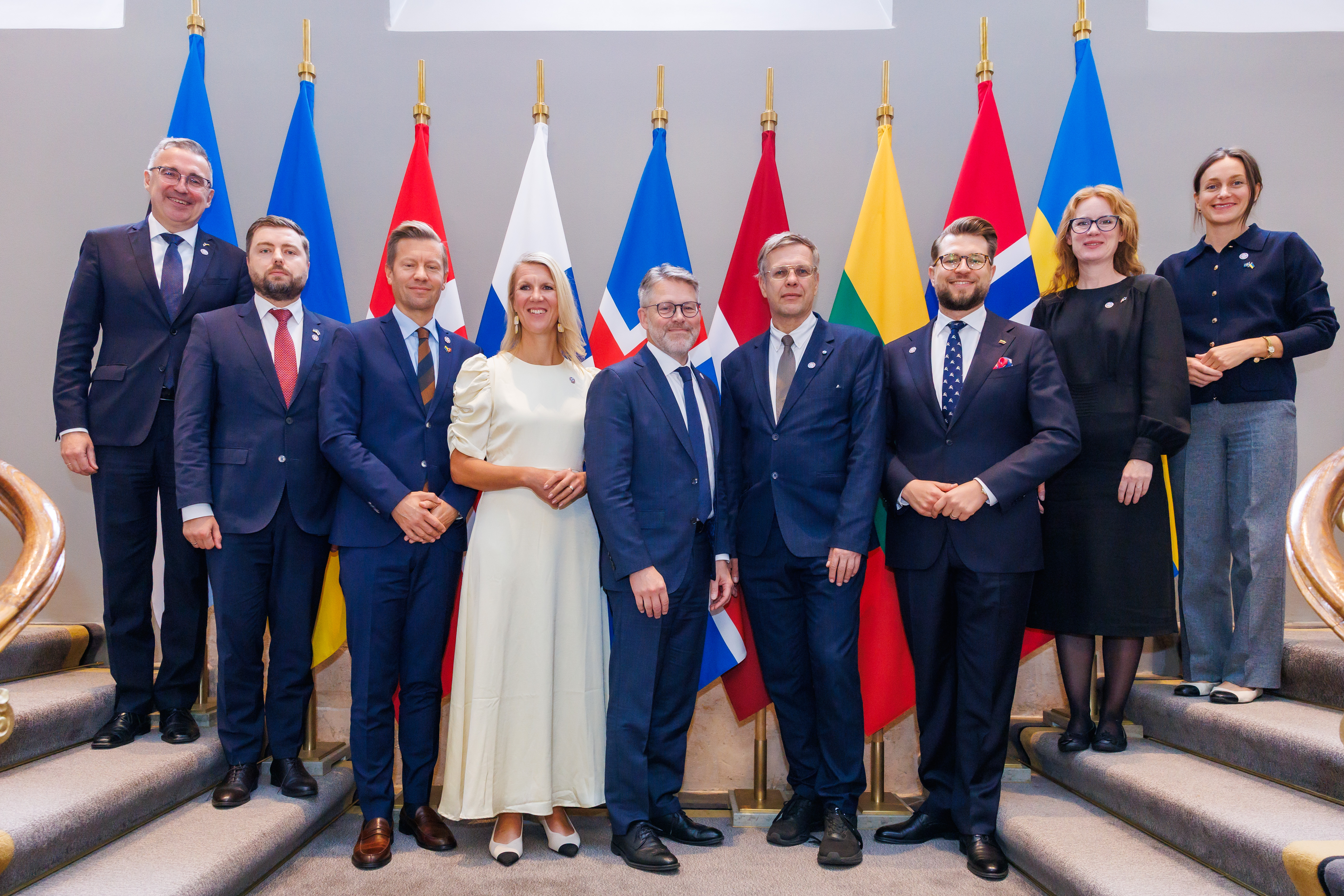
Arno Mikkor nuotrauka. Susitikimo dalyviai
Minister of Energy and Environment Andres Sutt hosted the first Nordic-Baltic (NB8) Energy Ministers’ Meeting in Tallinn on 3–4 September, bringing together the energy ministers and senior representatives of the Nordic and Baltic countries. The meeting, which included a Ukrainian delegation in its initial discussions, focused on supporting Ukraine’s energy supply ahead of the coming winter, the resilience of critical energy infrastructure, and the development of a competitive Nordic-Baltic energy market.
Sutt noted that the closely interconnected energy systems of the Nordic-Baltic countries also require stronger cooperation. “Energy security in our region today is no longer just about whether we have enough electricity, but also whether our infrastructure can withstand potential attacks and how quickly we can restore energy supply in the event of disruptions. Our energy systems are becoming increasingly interconnected, and therefore we also need to approach our preparedness and cooperation at the regional level.
With regard to Ukraine’s energy supply, the focus was primarily on the coming winter. Russia’s continued attacks on Ukraine’s energy infrastructure are making the winter extremely challenging, and the meeting looked at ways to support the resilience of Ukraine’s energy supply and coordinate assistance from the countries. The long-term recovery of Ukraine’s energy sector was also discussed, as well as preparations in the energy sector for the Ukraine Recovery Conference to be held in Tallinn in January 2027.
”As we mobilize aid for Ukraine, we must not forget Ukraine’s invaluable experience. The ongoing war has taught Ukraine how to protect its energy infrastructure, ensure its operational continuity, and restore energy supplies to residents and critical facilities as quickly as possible. We must draw these invaluable lessons from the Ukrainians and use them to protect the infrastructure our countries from potential threats,” said Lukas Savickas, Minister of Energy of the Republic of Lithuania.
Alongside regional energy security, the focus was on protecting energy infrastructure in the Baltic Sea region and ensuring the resilience of energy systems. The region’s energy infrastructure is becoming increasingly interconnected, while incidents in the Baltic Sea region have demonstrated the need to strengthen preparedness for physical, cyber and hybrid threats. The meeting provided an opportunity to exchange experiences and explore ways to strengthen the resilience of regional energy infrastructure and cross-border cooperation.
“Today's discussion highlighted the value of Nordic-Baltic cooperation in strengthening regional preparedness and resilience. Together, we form one of Europe's most integrated energy regions,” said Sari Multala, Minister of Climate and the Environment of Finland.
With regard to a competitive Baltic Sea energy market, the discussions focused on investment and financing opportunities and creating long-term certainty. The discussion also covered developments in electricity demand and generation, grid development, and the need to improve the transparency and predictability of the regional energy market.
The meeting confirmed the Nordic-Baltic countries’ shared commitment to strengthening energy cooperation and finding regional solutions to challenges related to energy security, resilience and competitiveness. In connection with the meeting, the Nordic-Baltic countries also issued a Joint Statement on Energy Cooperation.
The full text of the Joint Statement is available HERE.
Estonia holds the chairmanship of Nordic-Baltic cooperation in 2026. The NB8 cooperation format brings together Estonia, Latvia, Lithuania, Finland, Sweden, Denmark, Norway and Iceland.
Photos from the meeting are available HERE.
Photographer: Arno Mikkor