

Minister of Energy Žygimantas Vaičiūnas at the EU Energy Council: Protection of critical energy infrastructure is becoming part of the EU agenda
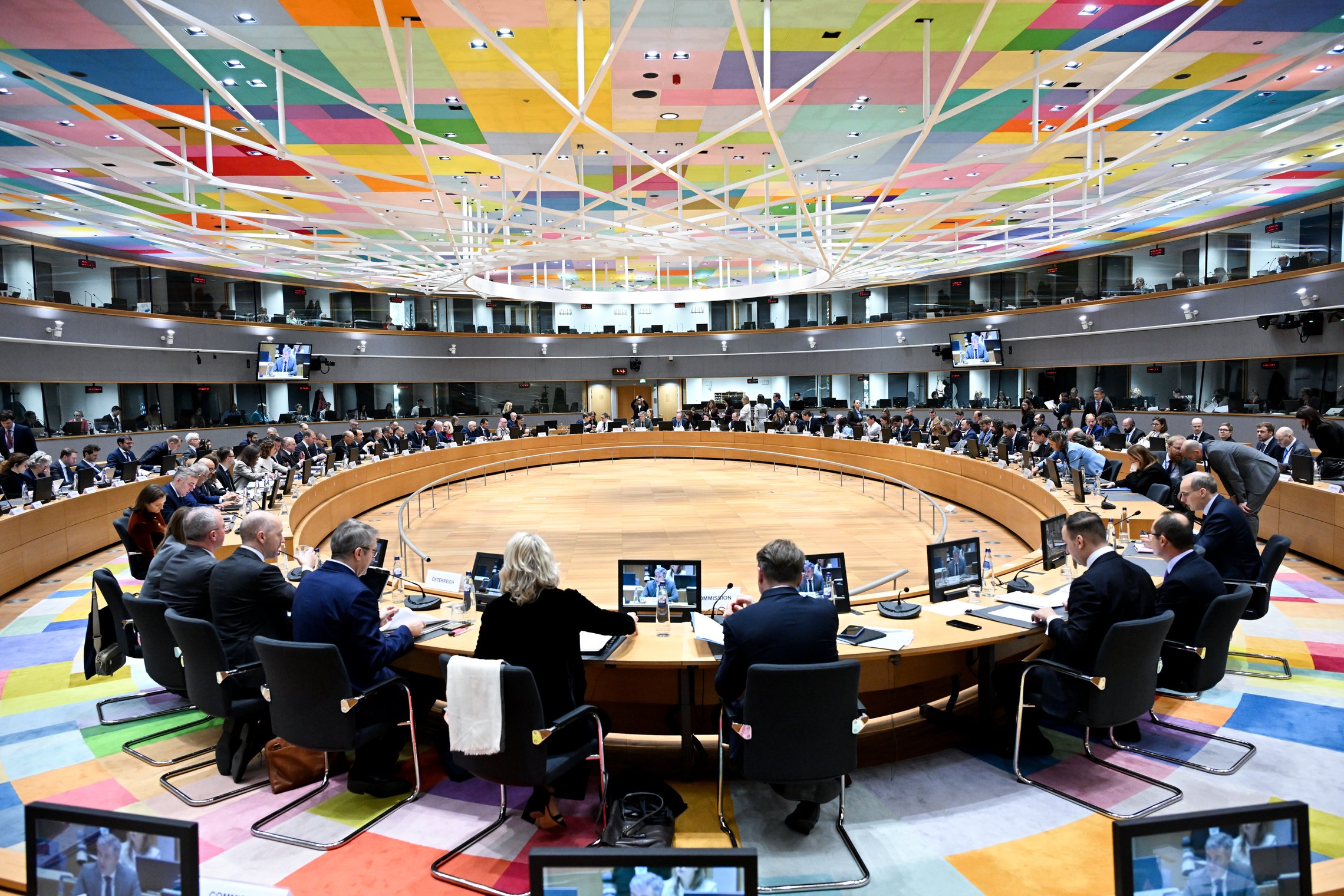
On 15 December, Minister of Energy Žygimantas Vaičiūnas took part in a meeting of the European Union Energy Council in Brussels, which focused primarily on enhancing the development, security and resilience of EU energy infrastructure in the context of the current geopolitical situation.
At the Council meeting, energy ministers endorsed a partial mandate on the Connecting Europe Facility (CEF) Regulation, which will establish the legal framework for investments in trans-European energy and transport networks for the period 2028–2034.
“Lithuania views the CEF proposal as particularly important in the current geopolitical security situation. Together with regional partners, Lithuania consistently and actively strived to ensure adequate recognition of critical energy infrastructure in the CEF proposal, so that a financing mechanism for the protection and resilience of this infrastructure can be established at the EU level; today, we achieved an excellent interim result, as the EU ministers responsible for energy have agreed that critical energy infrastructure should become a new area eligible for funding,” emphasised Minister Vaičiūnas.
During the negotiations, provisions on the protection of critical infrastructure were strengthened. According to the minister, the investments in infrastructure protection against hybrid threats are relatively small compared to the potential consequences of damage; furthermore, the protection of critical energy infrastructure has a direct impact on cross-border electricity flows and should therefore occupy a prominent place in the new CEF.
The compromise CEF agreement reflects many elements of importance to Lithuania. In the field of energy, emphasis is placed on greater system flexibility and energy storage solutions, which create more favourable conditions for cross-border renewable energy projects.
The meeting also presented the European Commission’s newly announced European Grids Package, which is aimed at the modernisation and expansion of power grids and the acceleration of electrification. Lithuania welcomed the fact that the package integrates energy security and resilience aspects from the outset, thereby creating an appropriate legal framework for preventing threats at the EU level.
Lithuania also stressed the need to address grid development issues, streamline permits, and strengthen cross-border energy infrastructure planning. According to Minister Vaičiūnas, it is important to mobilise private investments while ensuring fair cost sharing between Member States and avoiding the transfer of excessive financial burdens to consumers.
The Council meeting also included a discussion on energy and security measures at the EU and NATO levels, including the enhancement of critical energy infrastructure resilience, the security of electricity supply, and the strengthening of long-term energy and security policy measures.
In bilateral meetings, Minister Vaičiūnas discussed the priorities of the EU Council Presidency with the ministers responsible for energy in Cyprus and Ireland.