Lithuania, Latvia and Estonia successfully disconnected from the Russian electricity grid
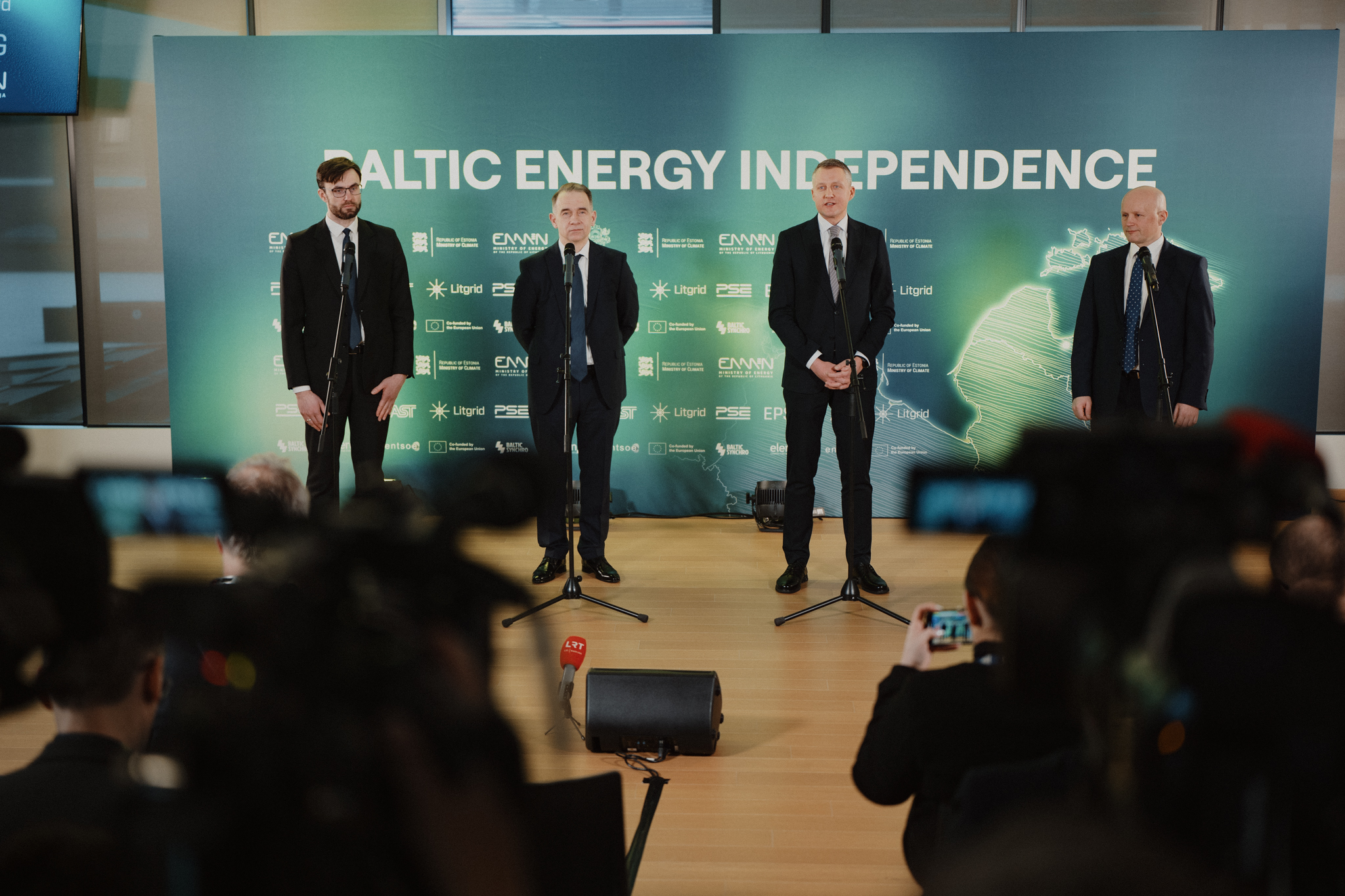
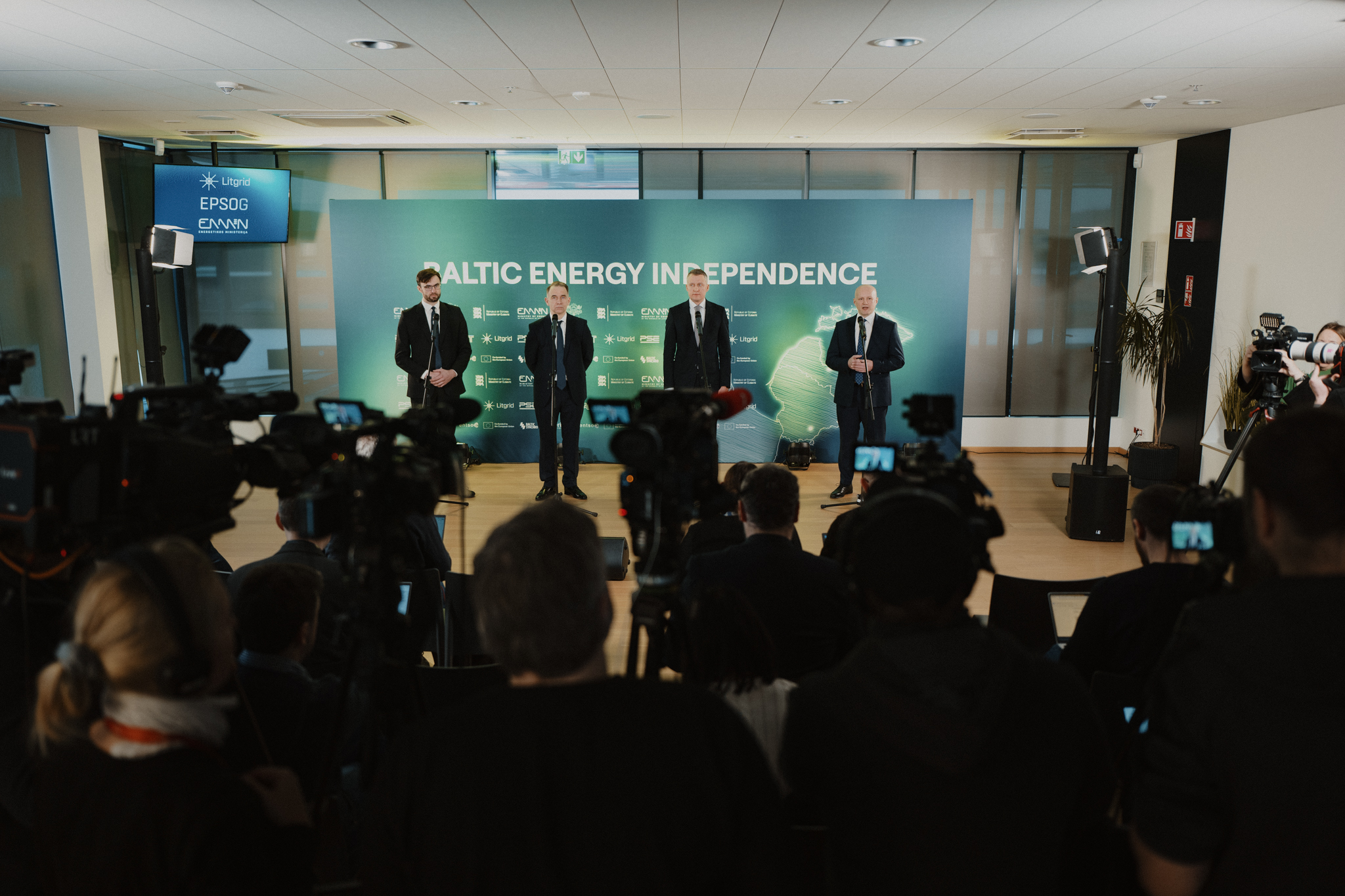
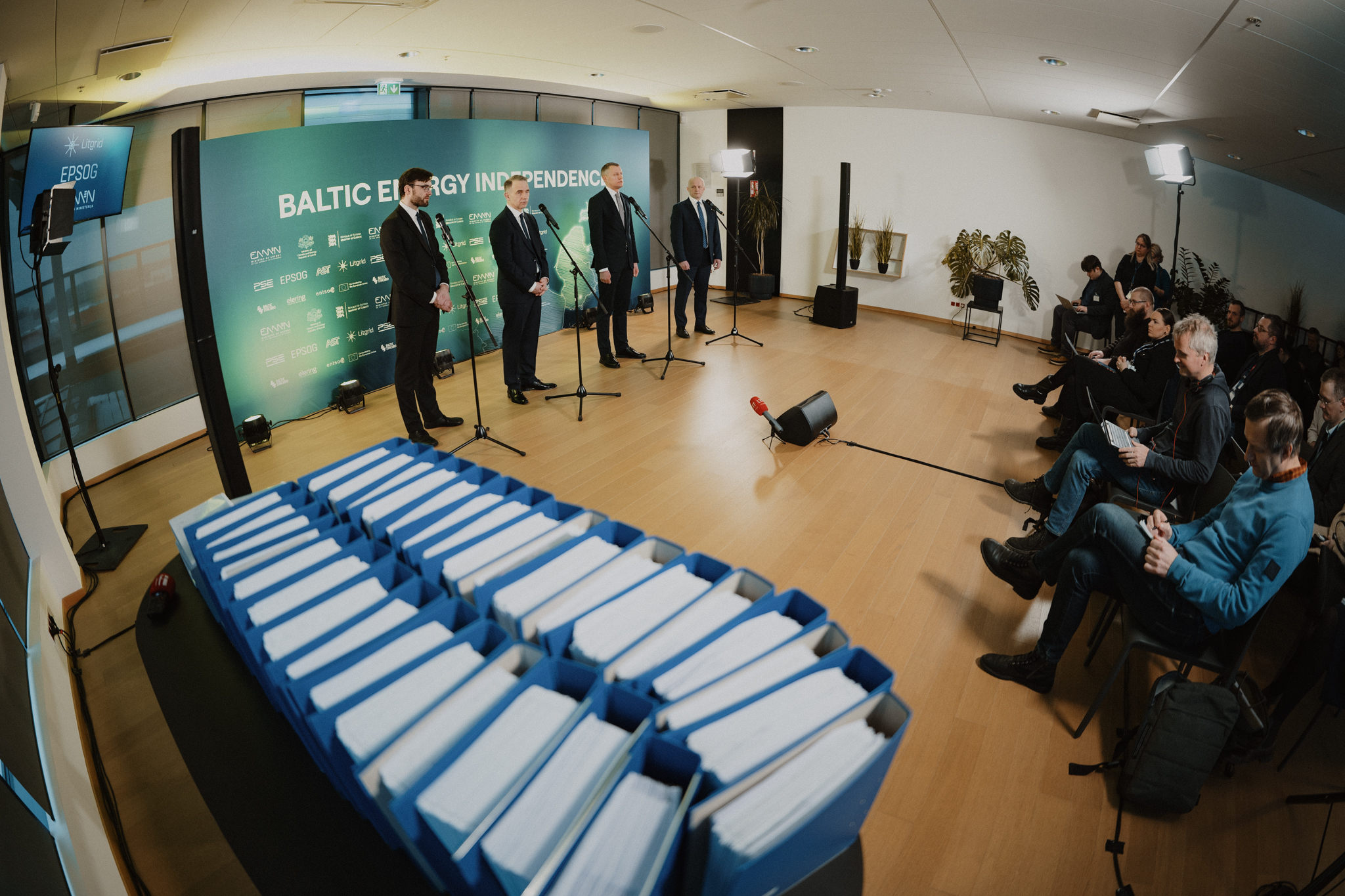
Today, 8 February, the Baltic electricity systems were successfully disconnected from the Russian-controlled IPS/UPS system and are now operating in island mode. The TSOs of Lithuania, Latvia, and Estonia are conducting an isolated operation test ahead of synchronisation with the continental European grid on 9 February.
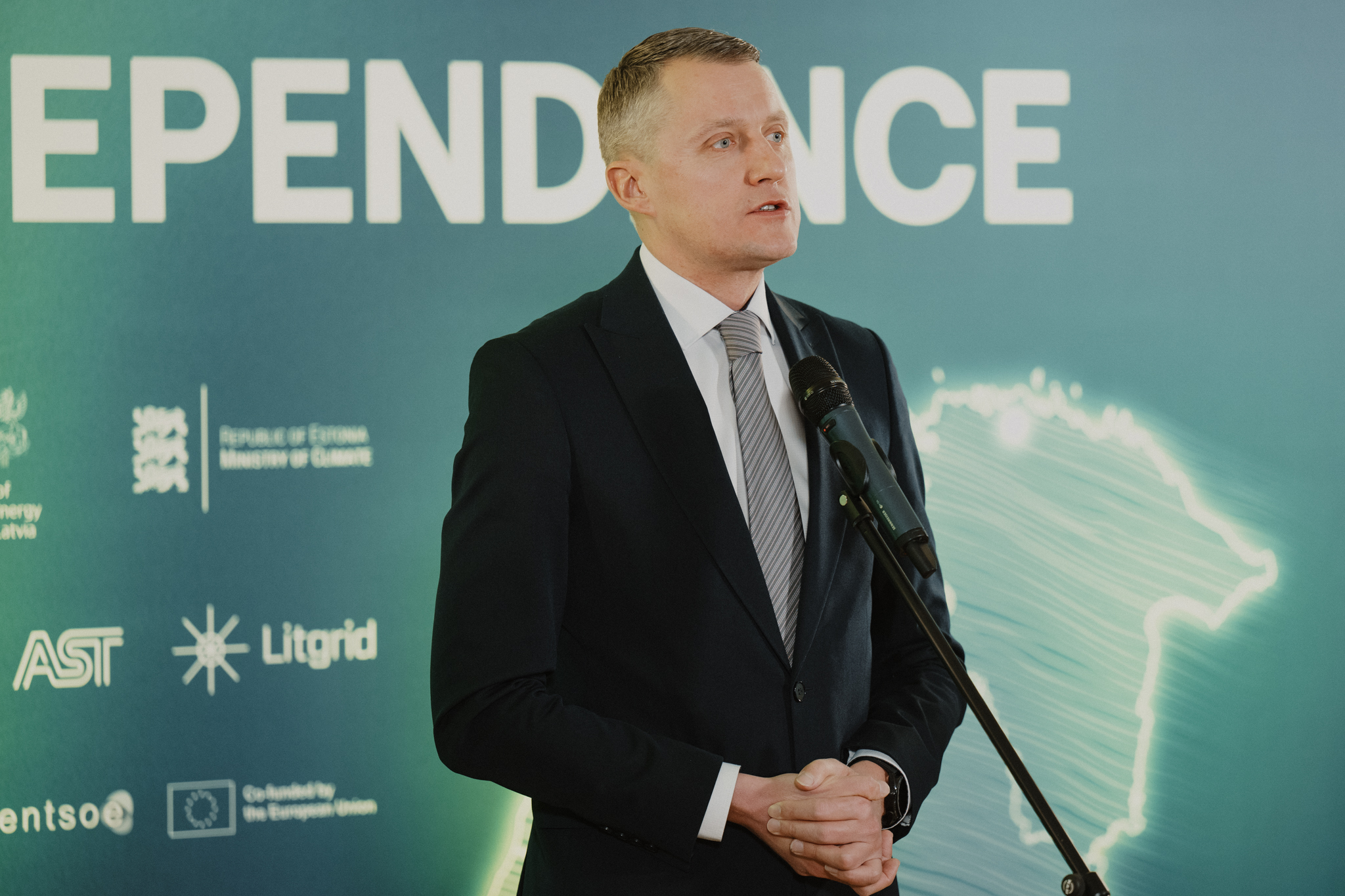
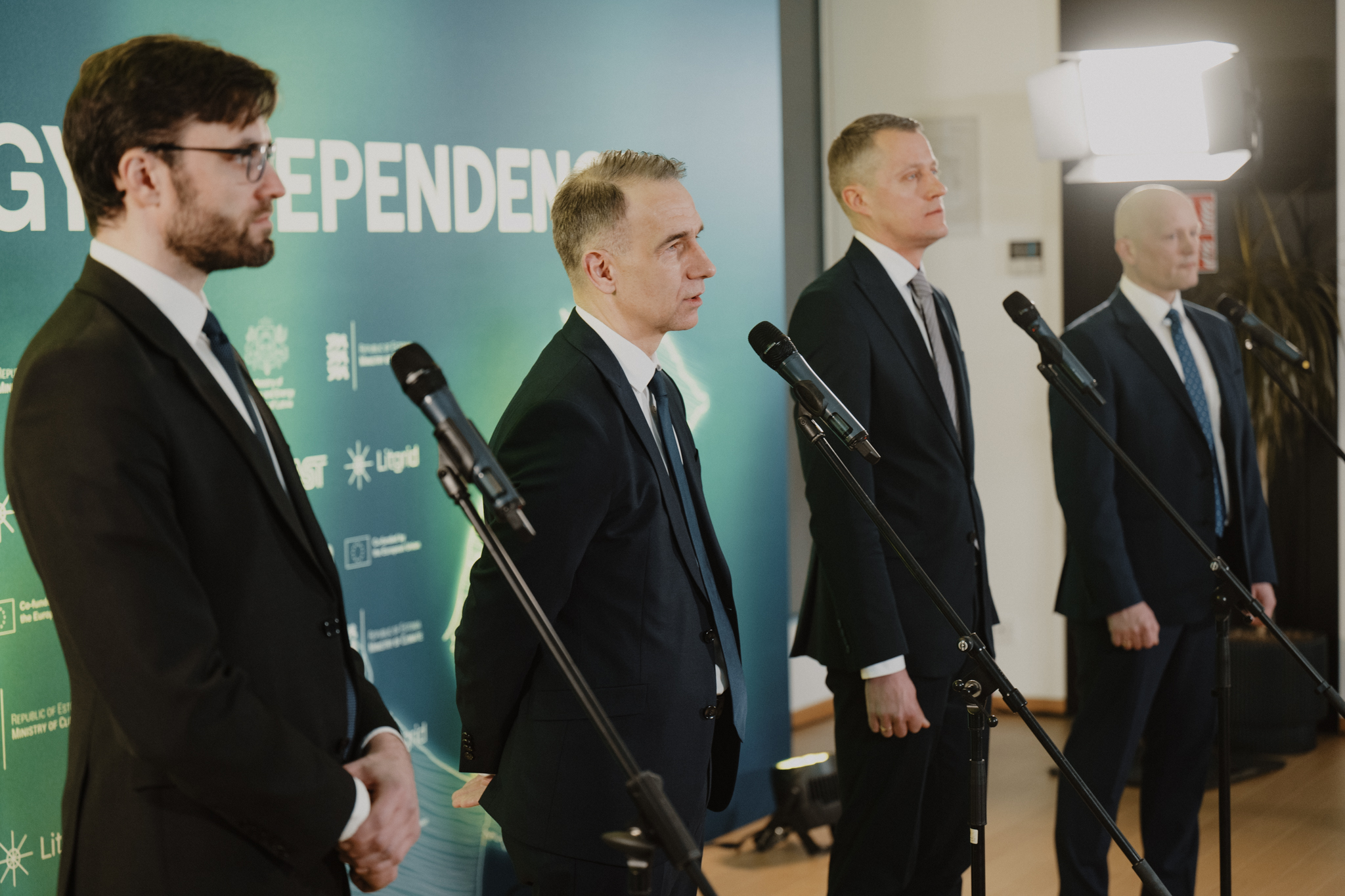
“The synchronisation of the Baltic power systems with continental Europe is one of the most ambitious energy projects in our region. It is a regional megaproject the complexity of which is primarily due to the dozens of projects of different types in four countries. The isolated work test is another solid step in securing our path to energy independence. For decades, we have operated in synchrony with the Russian system, dependent on its frequency management and vulnerable to potential interruptions. Now we are entering a new phase – one in which we will build a bright, strong, secure and energy-independent future,” said Energy Minister Žygimantas Vaičiūnas.
The isolated operation test will last for about a day, testing the system’s resilience to various disturbances, and the frequency of the Baltic power system is currently managed by the Lithuanian, Latvian and Estonian TSOs. Tomorrow, 9 February, the Baltic power systems will be directly connected to the Polish grid and the entire Continental European synchronous area.
Until now, Lithuania, Latvia and Estonia, together with Russia and Belarus, have been operating in an IPS/UPS system, where the electricity frequency is centrally regulated in Russia. Synchronisation with continental Europe will ensure independent, stable and reliable control of the Baltic electricity systems and increase energy security for the whole region.
Operating in one large synchronous area helps to ensure system security and reliability, as the more generation and consumption capacity operating on the same system, the less the negative impact of a failure or other disruption of each individual installation. The Continental European Synchronous Area is one of the largest in the world, supplying electricity to more than 400 million customers in 26 countries.
The Baltic system operators have been preparing intensively for synchronisation with continental Europe for several years, investing in the transmission infrastructure and the equipment needed for the safe operation of their power systems. Baltic synchronisation involves more than 40 projects in Estonia, Latvia, Lithuania and Poland: construction of transmission lines and substations, installation of synchronous compensators and control systems.
The synchronisation projects are largely co-funded by the European Union through the Connecting Europe Facility.