

Europe Is Getting Stronger: We Welcome the European Commission’s Steps to Put an End to Energy Dependences
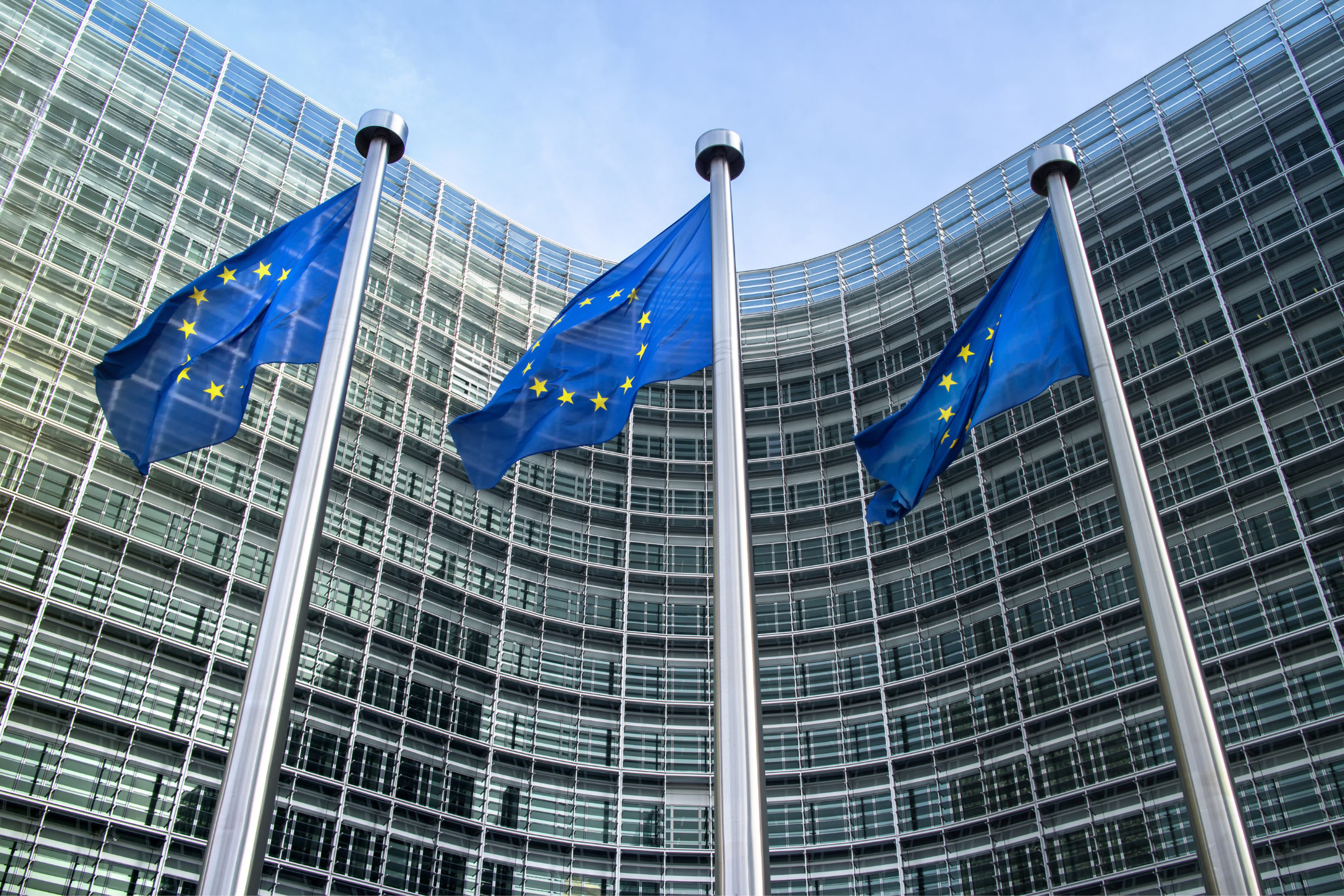
The European Union’s energy system has faced unprecedented challenges in recent years. russia’s war against Ukraine has opened our eyes to the fact that our critical energy infrastructure, both physical and cyber, must be resilient, well-protected, and independent of the will of aggressors.
Although the European Union's dependence on energy imports from russia has decreased, however insufficiently and it continues to pose serious security and economic risks to the EU and its Member States, as russia keeps threatening the stability and prosperity of the EU by using its current energy supplies as a weapon.
Today is an excellent opportunity to welcome the European Commission on the important actions it has made to contribute to our community’s energy resilience and security. The REPowerEU Roadmap — a new communication entitled “Roadmap towards ending russian Energy Imports” (‘Communication’)—outlines specific actions to achieve EU energy independence from russian energy resources. This is a strategic and long-awaited document. As Lithuania has always emphasised the importance of this course, we are delighted to see it emerging as a top priority for the entire EU.
It is important to note that russian gas still accounts for 19 percent of EU gas imports. This European Commission Communication is a concrete plan to phase out russian gas completely by 2027.
The EU is de facto funding russia’s war in Ukraine by paying it for energy resources. Ending energy imports from russia is an essential step towards energy independence and security in Europe.
The synchronisation of the Baltic States with the continental European networks has significantly contributed to Europe’s energy independence. This Communication is essential for strengthening the EU’s independence from russian energy by phasing out gas, nuclear energy, and oil imports, to prevent russia from using energy resources as a weapon and reduce its influence in Europe.
Another important issue is ending dependence on russian liquefied natural gas (LNG). Lithuania was one of the first EU countries to abandon russian gas imports completely, and we can now confidently say that this was the right strategic decision. We, therefore, welcome the European Commission’s decisive proposals to phase out russian LNG. From both a moral and a geopolitical standpoint, we can no longer afford to rely on the energy leverage of the Kremlin regime.
We welcome the European Commission’s determination to ban all gas imports into the EU under new and existing contracts, including short-term contracts from the end of 2025 and long-term contracts from 2027.
Some EU Member States currently find it difficult to terminate long-term gas supply contracts. This is why we have always believed that action is needed at the EU level to phase out russian gas supplies while ensuring alternative LNG supplies from international partners or diversifying pipeline supplies. EU countries should seize opportunities to replace russian gas imports with LNG supplies from reliable suppliers, the potential of which will increase significantly in the coming years.
It is encouraging that the Communication emphasises cooperation at the EU level, such as pooling gas demand and concluding long-term supply contracts with other suppliers at competitive prices where necessary.
The Communication also raises the excellent idea of drawing up national plans for phasing out russian gas. We, therefore, look forward to a legal proposals on clear monitoring rules to ensure greater transparency and traceability of russian gas.
The European Commission’s call for Member States to coordinate supply chain management, share risk assessments and strengthen cybersecurity shows that we are on the right track. Lithuania is already implementing national measures that could set a good example for the whole EU.
Today, the EU has a chance to bolster its resilience even further. We appreciate the decisive steps taken and hope that this strategic agenda will become a reality in every EU Member State in the coming months.
Žygimantas Vaičiūnas
Minister for Energy
For more on the European Commission’s REPowerEU Roadmap visit: https://ec.europa.eu/commission/presscorner/detail/en/ip_25_1131.