

EU Energy Council: partial agreement reached on the review of the EU electricity market model, Lithuania increases pressure on Belarus to ensure nuclear safety requirements
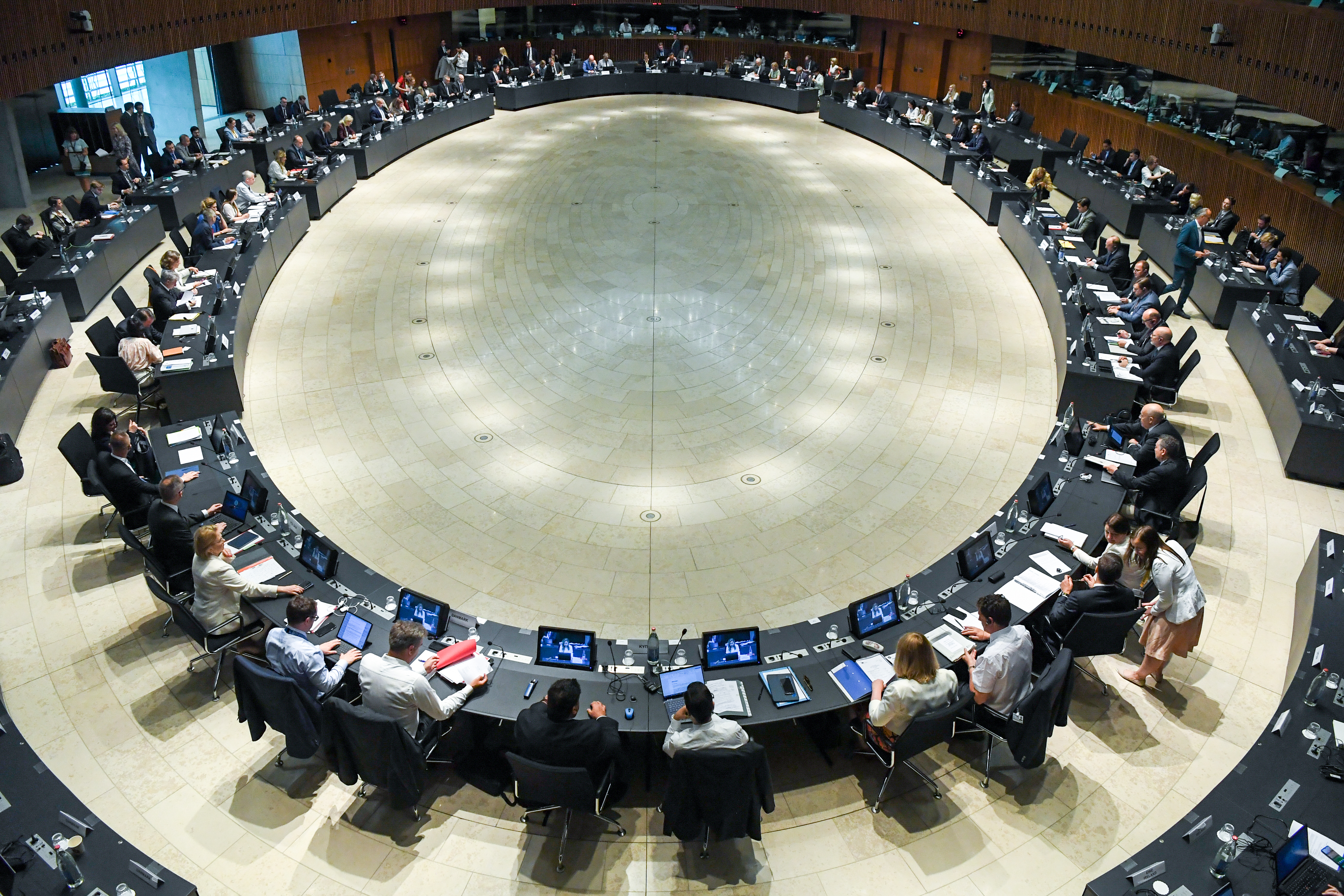
On 19 June 2023, Minister of Energy Dainius Kreivys attended a meeting of the Transport, Telecommunications and Energy Council of the European Union (Energy Council) in Luxembourg, Grand Duchy of Luxembourg, where country representatives discussed the proposal for a review of the EU electricity market model, as well as the European Commission proposal to improve the Union’s protection against market manipulation on the wholesale energy market, with a view to confirming the general approach of the Council of the EU and paving the way for talks with the European Parliament.
At the Energy Council, Lithuania also presented the situation at the Belarusian nuclear power plant, i.e. the plans to launch the second unit and the related concerns about ensuring nuclear safety and the lack of long-term transparency. Cyprus presented the problems related to the construction and operation of Akkuyu Nuclear Power Plant on the southern coast of Turkey and concerns about nuclear safety.
During the Council meeting, the European Commission (EC) presented the latest developments in the field of external energy relations and preparations for the upcoming 2023/2024 winter season.
Moreover, the Spanish delegation presented the work programme of the Presidency. Spain will take over the Presidency of the Council of the EU from the current Swedish Presidency for a six-month period from 1 July 2023.
“We can see beneficial and positive changes for consumers, more effective international and national regulation, faster development of renewable energy sources and grid integration processes in the new electricity market model. Synchronisation with the continental European grid is a top priority project for us, and we are very pleased that the special situation of the Baltic States has been taken into account and that the necessary temporary flexibilities have been included in the review of the electricity market model. Facilitating and speeding up the implementation of capacity mechanisms was also an important issue for Lithuania during the negotiations, and we are pleased that our proposals to simplify and speed up the procedures for the implementation of the capacity mechanism and to revise the provisions on the adequacy assessment have been taken into account,” said Minister of Energy Dainius Kreivys.
On 14 March 2023, the EC proposed to reform the EU electricity market model and improve the Union’s protection against market manipulation in the wholesale energy market to accelerate the development of renewable energy sources and the phasing out of gas, to make consumers’ bills less dependent on fluctuating fossil fuel prices, to empower consumers and protect them against future price spikes and possible market manipulation, and to make EU industry cleaner and more competitive.
The new proposals aim to address some of the shortcomings identified by the EC during the recent energy crisis, in particular the impact of high and fluctuating fossil fuel prices on short-term electricity trading markets, which have led to large price spikes and high electricity bills for households and businesses.
Measures are proposed to stabilise electricity prices, ensure the promotion of the power purchase agreement market and improve forward electricity markets. The proposal also emphasises faster and more stable access to the single market for marine renewable energy production, the efficiency of short-term markets and the facilitation of the development of the electricity grid and storage facilities.
The EC proposal also aims to improve consumer protection by introducing additional disconnection protections for vulnerable consumers, allowing Member States to intervene in setting prices on retail markets during electricity price crises, imposing hedging requirements on suppliers under certain conditions, and giving consumers direct access to renewable energy generation.
It also aims to increase the monitoring and transparency of the EU market by amending the Regulation on Wholesale Energy Market Integrity and Transparency and to provide better protection against market manipulation and abuse.
After long and intensive negotiations, a general approach was reached by the Council of the EU on the EC proposal to improve the Union’s protection against market manipulation in the wholesale energy market. With the exception of EU Member States’ positions on the review of the EU electricity market model, the proposal was not fully agreed. Discussions on the outstanding issues will continue in the near future.
At the Energy Council meeting, Mr. Kreivys presented Lithuania’s position on the operation of Astravas Nuclear Power Plant in Belarus. In March this year, Belarus switched on the second unit of the nuclear power plant to the electricity system, which has reached the irreversible operational phase.
“We believe that this nuclear power plant is a Russian geopolitical project that has no economic basis and poses a risk to the region. Questions remain about nuclear safety compliance and long-term transparency – both the first and second units of Astravas NPP have been launched in violation of international requirements and this is a matter of serious concern for the continent, especially in the light of the actions of Belarusian ally Russia in the occupied Ukrainian Zaporizhzhya NPP,” commented the Minister of Energy.
According to the Minister, international requirements have not been respected during the construction, testing and commissioning of Astravas NPP and incidents and defects in the reactor systems have been concealed. For example, in 2022, the first reactor was shut down for six months and the launching of the second reactor was delayed. Lithuania and the concerns it has raised on nuclear safety issues at Astravas NPP have been supported by Latvia, Germany, Greece, Portugal, Cyprus, Estonia, Denmark, Luxembourg, Austria, Poland, Slovenia, Belgium, Croatia.