

Baltic States celebrate Baltic Energy Independence Day, commemorating the anniversary of their historic synchronisation with Europe
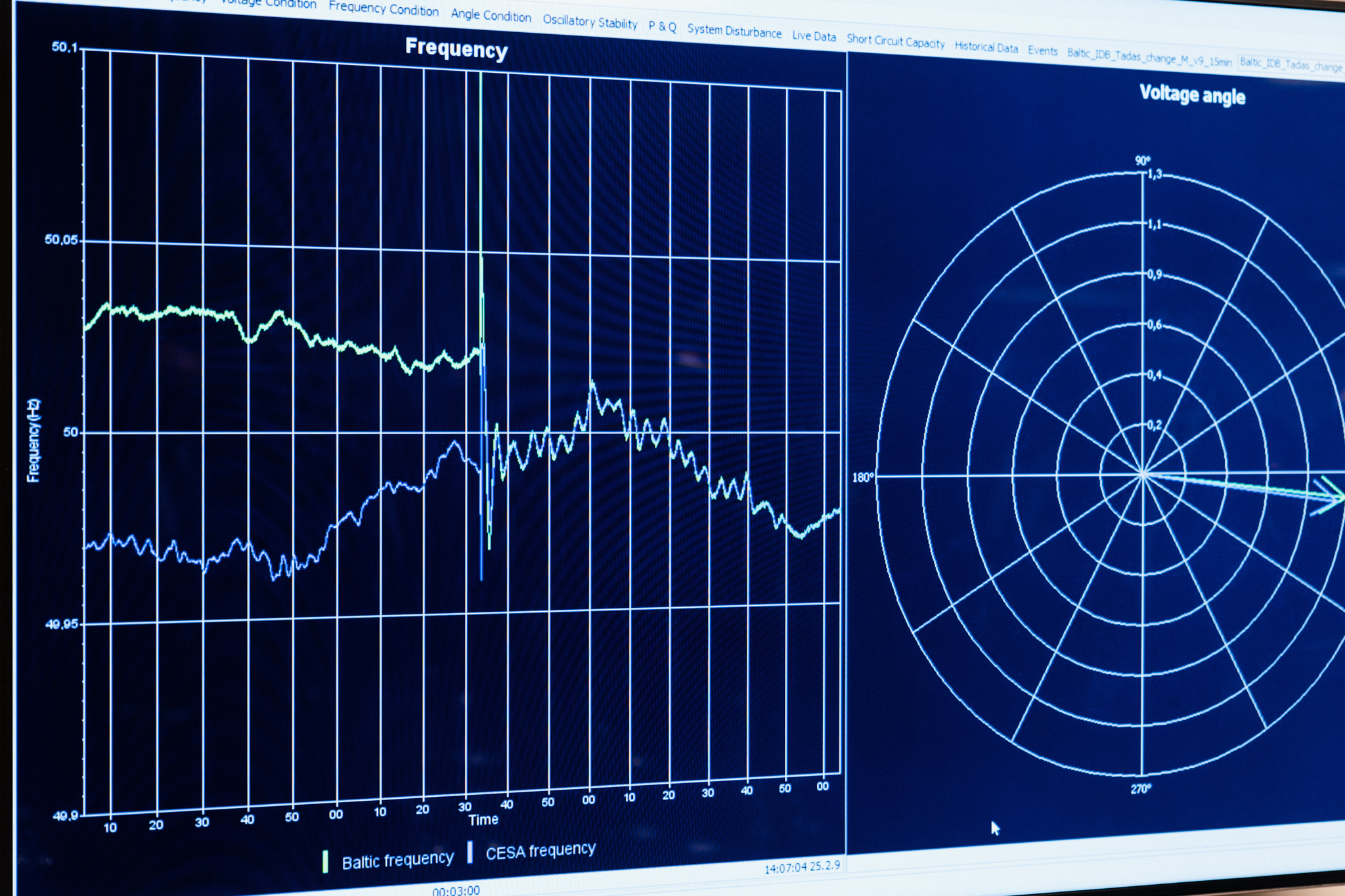
Exactly one year ago, on 9 February 2025, Lithuania, Latvia and Estonia synchronised their power systems with Western Europe at 2:05 p.m. This historic step ended 65 years of dependence on the Eastern power system and secured energy freedom for the Baltic region.
“The synchronisation project between the Baltic States and Poland has become an example of how close regional cooperation, together with the support of the European Commission, can ensure the successful implementation of strategic energy decisions made several decades ago. Today, we are full-fledged participants in the European power system. We make our own decisions on system management and are resilient to any form of external pressure. Our next step, with the help and financial support of European Union institutions, is to intensify the security and resilience of critical energy infrastructure in our region,” says Minister of Energy Žygimantas Vaičiūnas.
Following the successful synchronisation of the Baltic States with the continental European network, last year saw the launch of larger-scale projects designed to ensure energy security against potential cyber and physical threats. This year, the European Commission has allocated EUR 113 million in funding from the Connecting Europe Facility (CEF) for critical synchronisation infrastructure protection projects implemented by the transmission system operators of Lithuania, Latvia, Estonia and Poland.
For the synchronisation of its power system with Europe, Lithuania constructed hundreds of kilometres of new power transmission lines, modernised substations, installed the most powerful autotransformers in the Baltic States, and connected three synchronous condensers to the transmission network. These new power lines and equipment not only ensure smooth electricity transmission, but also bring Lithuania closer to the goal of producing all the electricity the country needs from renewable energy sources by 2028.
The synchronisation of the Baltic States was a megaproject that took almost two decades to complete; it was carried out by the transmission system operators of Lithuania, Latvia and Estonia – Litgrid, Augstsprieguma tīkls and Elering – together with Poland’s transmission system operator, PSE. During the preparation period, Lithuania implemented 20 synchronisation projects, and more than 40 in conjunction with Latvia, Estonia and Poland. Symbolically, if all the documentation for these projects were stacked in a single pile, it would reach the height of the Vilnius TV Tower – over 300 metres.
In 2025, the remaining nine synchronisation projects in Lithuania were completed, so all synchronisation work is now finished. Efforts are now focused on ensuring the smooth implementation of Harmony Link, the additional power interconnection with Poland. This interconnection will further strengthen the resilience of the Baltic power systems while also expanding the possibilities for integrating renewable energy.
“To mark Baltic Energy Independence Day and the first anniversary of Lithuania’s synchronisation with the continental European network, EPSO-G, together with the Ministry of Energy, is organising the first National Energy Exam. We are inviting everyone to test their knowledge of energy – the exam will be held across several levels of difficulty, so both students and adults can take part, and prizes will be awarded to the top performers,” says Minister Vaičiūnas.
Today, 9 February, between 8:00 a.m. and 8:00 p.m., participants can register and take the National Energy Exam online at energetikosegzaminas.lrt.lt. Participants will compete in three categories reflecting different levels of knowledge: “Future Energy Specialists”, for students aged 16–20; “Energy‑Literate”, for the general public; and “Energy Professionals”, where energy sector employees and energy and engineering students can put their knowledge to the test. Full information about the exam is available at: energetikosegzaminas.lrt.lt.